Avoid Stress, Reduce Clutter

June 25, 2010 by  
Filed under Stress Articles

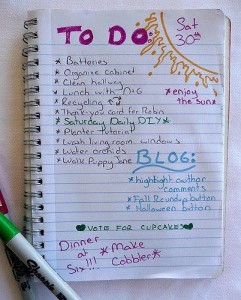
Clutter is something we all have a little bit of here and there – at the house or at your office work area. Sometimes, our lives get a little bit too busy that we tend to take cleaning and organizing stuff for granted, putting it off and mentally promising to de-clutter once we get an open window of free time in our hands until over time, clutter starts to overtake our lives, causing emotional stress and mental stress. Just looking at the pile of mess inside your house or your work place and thinking about just how much of a mess the place is can stress you out! Because your house or your office is one big place of clutter, you tend to have trouble finding things as well like your money, your keys, maybe even your favourite shoes which can definitely be a stressful exercise!

And because stress is bad for one’s health, you need to eliminate all kinds of stress causing factors in your life like for instance clutter.

So here are some tips to de-stress by de-cluttering:

Stress busters Tip #1: Divide and Conquer – your stuff that is
Get four boxes and label each one: things to donate, things to throw away, things to keep and things to store. Go room by room and start picking up items and putting them in their proper box. Be honest! This is the only way you’ll ever get rid of the mess and become clutter stress free! Once that’s done, the next step to banishing stress is to have proper storage area for the stuff that you’re keeping.

Stress busters Tip #2: Create Beauty
De-cluttering and organizing your place is a great way to reduce stress. But you can further reduce stress by adding a few nice touches that can make your home the ideal haven for you to relax. This is a great way to get stress relief!

Stress busters Tip #3: Organize
Another way to eliminate stress by de-cluttering is through organization. Make sure to keep your loose changes in a coin bank. Hang your clean clothes in your closet and throw your dirty ones in the laundry. Have a place to keep your bills too! You’ll easily combat stress by knowing where to find your stuff whenever you need them!

Stress busters Tip #4: Pick a Schedule and Stick to It
Another stress relief tip: to prevent clutter from piling up. Make a commitment to schedule a certain time or day for de-cluttering to keep your clutter from invading your home and keeping stress caused by clutter  at bay. Set aside 20 minutes each day to tackle one area of the house or you can set aside one day out of the week like the weekend to de-clutter and remove the mess in the house.

Stress busters Tip #5: Do your Laundry
A pile of dirty clothes can also be stressful to look at. Just thinking about the heavy load can be stressful! So make a commitment to also tackle the laundry that never seems to get done.

Stress busters Tip #6: Garbage
Part of your combat stress plan should be taking out the garbage. After all, the only way to get rid of your clutter related stress is to get your clutter out of the house! Set out garbage bags for your clutter. Use plastic bags from your grocery shopping. Throw away all the obvious garbage and recycle whenever possible.

Stress busters Tip #7: Donate
You the saying one man’s trash is someone else’s treasure? Well this is a great saying to remember by when you’re on a mission to eliminate stress caused by clutter. Donate your old stuff – stuff you no longer use or like. Not only is this a great way to combat stress, you’re also helping others out!

Stress busters Tip #8:  Repeat
Of course the only way to permanently eliminate stress from your home or your office is to keep doing the stress busting tips given above, otherwise, clutter and stress will come to haunt you again!

Stress Management

June 20, 2010 by  
Filed under Stress Articles

Stress is everywhere and you may seem like there’s nothing you can do to stop stress. As the bills keep coming, the errands pile up and career and family responsibilities that are demanding, you start to feel your stress levels going up, up and the very feeling of being stressed out can add emotional stress on your already stressed out mind and body.  The truth though is that you have a lot more control than you might think.  In fact, the simple realization that you’re in control of your life is the foundation of stress management.
Stress management is all about taking charge: of your thoughts, your emotions, your schedule, your environment and the way you deal with problems. The ultimate goal of stress management is a balanced life, with time for work, relationships, relaxation, and fun – plus the resilience to hold up under pressure and meet challenges head on.
Identifying the sources of stress in your life is the first important step of stress management. Your true sources of stress aren’t always obvious, and it’s all too easy to overlook your own stress-inducing thoughts, feelings, and behaviors. Example is workplace stress: Sure, you may know that you’re constantly worried about work deadlines. But maybe it’s your procrastination, rather than the actual job demands, that leads to deadline stress.
To identify your true sources of stress, look closely at your habits, attitude, and excuses. Until you accept responsibility for the role you play in creating or maintaining stress, your stress level will remain outside your control.

Here are some stress management techniques for coping with stress:

Stress management techniques #1: Avoid unnecessary stress
Not all stress can be avoided, and it’s not healthy to avoid a situation that needs to be addressed. But there are a number of stressors which you can eliminate such as:
Learn how to say “no”. Taking on more than you can handle is a surefire recipe for stress so know your limits and stick to them.
Avoid people who stress you out.  If someone consistently causes stress in your life and you can’t turn the relationship around, limit the amount of time you spend with that person or end the relationship entirely.
Take control of your environment. If the evening news stresses you out, turn the TV off. If traffic’s your source of stress, take a longer but less-traveled route.
Avoid hot-button topics. If you get upset over religion or politics, cross them off your conversation list so you don’t experience emotional stress.
Pare down your to-do list – Analyze your schedule, responsibilities, and daily tasks and drop tasks that aren’t truly necessary to the bottom of the list or eliminate them entirely so you don’t feel stressed out.
Stress management techniques #2: Alter the situation
If you can’t avoid a stressful situation, try to alter it. Figure out what you can do to change things so the problem doesn’t present itself in the future. Often, this involves changing the way you communicate and operate in your daily life.
Stress management techniques #3: Adapt to the stressor
If you can’t change the stressor, change yourself. You can adapt to stressful situations and regain your sense of control by changing your expectations and attitude.
Stress management techniques #4: Accept the things you can’t change
Some sources of stress are unavoidable. You can’t prevent or change stressors such as the death of a loved one, a serious illness, or a national recession. In such cases, the best way to cope with stress is to accept things as they are. Acceptance may be difficult, but in the long run, it’s easier than railing against a situation you can’t change.
Stress management techniques #5: Make time for fun and relaxation
Beyond a take-charge approach and a positive attitude, you can reduce stress in your life by nurturing yourself. If you regularly make time for fun and relaxation, you’ll be in a better place to handle life’s stressors when they inevitably come.
Don’t get so caught up in the hustle and bustle of life that you forget to take care of your own needs. Nurturing yourself is a necessity, not a luxury.
Stress management techniques #6: Adopt a healthy lifestyle
You can increase your resistance to stress by strengthening your physical health.  Exercise regularly, eat a healthy diet, reduce your caffeine and sugar intake, avoid alcohol, cigarettes and drugs, and get enough sleep.

Jillian Michaels: Yoga Meltdown
Healthy Fats and Food Choices

Stress Relaxation Techniques for Stress Relief

June 16, 2010 by  
Filed under Stress Articles

The best and most natural stress relief to combat stress is relaxation. By knowing how to take a break, you can actually have a powerful antidote to eliminate stress. Stress relaxation techniques such as deep breathing, visualization, progressive muscle relaxation, meditation, and yoga can help you activate this stress relaxation response.

When practiced regularly, these stress relief activities can lead to a stress reduction in your everyday stress levels plus it will boost your feelings of joy and serenity. What’s more, by practicing these stress relief activities, it will also serve as protective quality by teaching you how to stay calm and collected in the face of life’s curveballs.

The Stress Relaxation Response

Nobody can avoid stress but you can learn to control stress by counteracting its negative effects. Learn to evoke the stress relaxation response, a state of deep rest that is the polar opposite of the stress response.
Stress response floods your body with chemicals that prepare you for “fight or flight” but while the stress response is helpful in true emergency situations where you must be alert, it definitely gets your body stressed out when always activated.
The stress relaxation response brings your system back into balance: deepening your breathing, reducing stress hormones, slowing down your heart rate and blood pressure, and relaxing your muscles.
Research also shows that the stress relaxation response increases energy and focus, combats stress illness, relieves aches and pains, heightens problem-solving abilities, and boosts motivation and productivity. And with a little practice, you can reap these benefits of stress relaxation response.

Stress Relaxation Exercises

There are a variety of stress relaxation techniques that can help you achieve the stress relaxation response. Try these stress relaxation exercises:
Deep breathing for stress relief
Deep breathing is the cornerstone of many other stress relaxation practices. It is a simple, yet powerful stress relaxation technique. It’s easy to learn and it can be practiced almost anywhere. It can also provide a quick way to get your stress levels in check.
Progressive muscle relaxation for stress relief
Progressive muscle relaxation is another effective and widely used strategy for stress relief. It involves a two-step process in which you systematically tense and relax different muscle groups in the body.
Practice progressive muscle relaxation regularly. This stress relaxation technique gives you an intimate familiarity with what stress tension feel like in different parts of the body. This awareness helps you spot and counteract the first signs of the muscular stress tensions.
For additional level of stress relief, you can combine deep breathing and progressive muscle relaxation.
Mindfulness meditation for stress relief
Meditation is also a particularly effective stress reducer. With regular practice, mindfulness meditation actually changes the brain. It strengthens the areas associated with joy and relaxation, and weakens those involved in negativity and stress.

Guided imagery for stress relief

Visualization used as a stress relaxation technique, is a variation on traditional meditation that can help relieve stress. Guided imagery involves imagining a scene in which you feel at peace, free to let go of all stress tension and stress anxiety. Choose whatever setting is most calming to you.
You can do this stress relaxation exercise on your own, with a therapist’s help, or by using an audio recording.
Yoga for stress relief
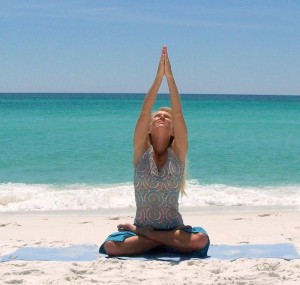
Yoga is an excellent stress relief exercise. This stress relaxation exercise involves a series of both moving and stationary poses, combined with deep breathing. The physical and mental benefits of yoga provide a natural counterbalance to stress, and strengthen the stress relaxation response in your daily life.
Tai chi for stress relief
Tai chi is a stress relaxation exercise done through self-paced, non-competitive series of slow, flowing body movements.  These movements emphasize concentration, relaxation, and the conscious circulation of vital energy throughout the body. Tai chi is primarily practiced as a way of calming the mind, conditioning the body, and reducing stress.
Massage therapy for stress relief
Getting a massage provides deep relaxation, and as the muscles in your body relax, so does your stressed out mind. There are many simple self-massage techniques you can use to relax and release stress.
Massage can be a great stress therapy and the best way to get stress relief from massage is by getting it from a professional massage therapist. Try types like Swedish or Shiatsu, which promote overall relaxation and stress relief.

How to Combat Stress Due to Sickness

June 14, 2010 by  
Filed under Stress Articles

According to stress studies, people with medical conditions such as heart disease, mental illness or other chronic diseases are the most vulnerable to negative consequences of stress but even healthy people are also at risk.
Relation of stress and heart disease has been widely studied and stress researchers say that mental stress increases the body’s demand for oxygen by raising blood pressure and heart rate. Mental stress can increase the risk of heart attack, stroke or even death for people who already suffer from heart disease. According to David S. Krantz, PhD, stress can also act as a trigger for heart attack or stroke in people with undiagnosed heart disease. He says that people who may not be aware that they’re in the early stages of atherosclerosis or hardening of the arteries and are stressed out can set off dangerous plaque ruptures which can lead to potentially life-threatening events like heart attacks or strokes.
Steven Tovian, PhD, director of health psychology at Evanston Northwestern Healthcare in Evanston, Ill., says that stress also directly affects a part of the nervous system that controls the glands, heart, digestive system, respiratory system, and skin. That means any pre-existing medical condition that is influenced by a nervous system response such as chronic pain, IBS (irritable bowel syndrome), digestive disorders, or headaches is likely to become exacerbated by stress when the already overworked system becomes overloaded by additional stress. In addition, Tovian says anyone with anyone who suffers from a history of mental illness, such as depression and anxiety, is also at risk for a worsening of symptoms at times of extreme stress. The truth is that you don’t have to be ill to suffer from the effects of stress on your physical as well as mental health. Stress can also make healthy people more vulnerable to sickness by weakening the immune system and making it easier to catch a cold or other contagious illness.

So how do you combat stress and prevent further sickness? Here are some ways to eliminate stress:

Stress Reduction Techniques #1: Attitude Is Everything
Suzanne Segerstrom, PhD, says what happens is that certain components of the immune system become less effective at fighting off illness, especially those caused by viruses, when exposed to stress over days or weeks. But she says attitude plays a critical role in preventing sickness caused by stress which causes additional stress.
So keep a positive attitude and a balanced perspective on events going on in the world as well as closer to home to combat stress because people who focus only on negative information to the exclusion of more positive information will perceive more stress and, therefore, suffer more serious consequences in their mental and physical health.

Stress Reduction Techniques#2: Attempt to Maintain a Normal Routine
Sticking to a schedule can help you feel more in control of your life even when the circumstances around you are chaotic which in turn can offer stress relief.

Stress Reduction Techniques #3: Surround Yourself with Friends and Loved Ones
Make and keep connections with friends, family, clergy, and other confidants because maintaining a strong social support network can act as a buffer against stress.

Stress Reduction Techniques #4: Pursue Your Passions
Another good way to combat stress and prevent yourself from getting sick is by learning how to appreciate the good things in your life. Make time for things that you enjoy, whatever that may be, such as playing with your children or pets, exercise, reading a book, etc.

Stress Reduction Techniques #5: Learn to Relax
Give yourself a break and stay away from things that rile you in times of stress. Limit contact with people or things that cause stress, especially around bedtime.

Stress Reduction Techniques #6: Participate in a volunteer activity.
Assisting others in a time of need can not only offer stress relief but it can also be empowering. So offer your services to those in need.

Stress Reduction Techniques #7: Take care of yourself.
Lastly, it’s important that you know how to take care of yourself. Don’t let stress affect your diet, sleep schedule, or exercise habits. This is the best way to eliminate stress and prevent sickness.